
How Brand Activations Are Used at Festivals, Product Launches and Corporate Events
Traditional marketing struggles in live environments where attention is limited and competition is high, so brand activation events have become a staple across the Central Valley and surrounding areas. They turn people from passive observers into active participants who interact with a brand in real time.
Most brands aren’t short of attention, but of structured ways to use it. Whether it is a festival in Modesto, a product launch in Stockton, or a corporate event in Tracy, the same challenge appears: how to turn physical presence into a guided interaction that creates data, content and brand memorability?
This guide breaks down how brand activation campaigns are used across festivals, product launches and corporate events in the Central Valley, what actually works in each setting and how brands design experiences that deliver both engagement and measurable results.
Brand Activation Events in Central Valley: How They Work in Real Time
Brand activation events are live marketing experiences that structure how people interact with a brand. Such events manage to turn that interaction into measurable outcomes like leads, content or engagement data.
In areas like the Central Valley, where audiences are mixed and attention is unpredictable, structured data helps to evaluate and improve for future events.
At venues like the Fresno Convention & Entertainment Center or regional events in Stockton and Modesto, brands are often competing for attention in shared spaces. An engaging experience like a booth alone isn’t enough. The experience needs structure.
A strong brand activation campaign usually follows the pattern:
- Attract attention quickly
- Give a clear and easy interaction
- Deliver immediate value or entertainment
- Capture data in the background without any disturbance
This way the brands can turn foot traffic into engagement instead of passive exposure.
A brand activation company typically designs these systems so they work consistently across different event types including festivals to corporate conferences.
Brand Activation Campaigns for Festivals
Festivals in the Central Valley are crowded, social and fast-moving. People are there to enjoy themselves, not to engage with long explanations.
These behaviors impact how brand activation events need to be designed.
At events like county fairs in Turlock or summer festivals in Modesto, attention is short and competition is high. The best activations are simple, visual and fast.
Common high-performing formats for festival brand activation campaigns include:
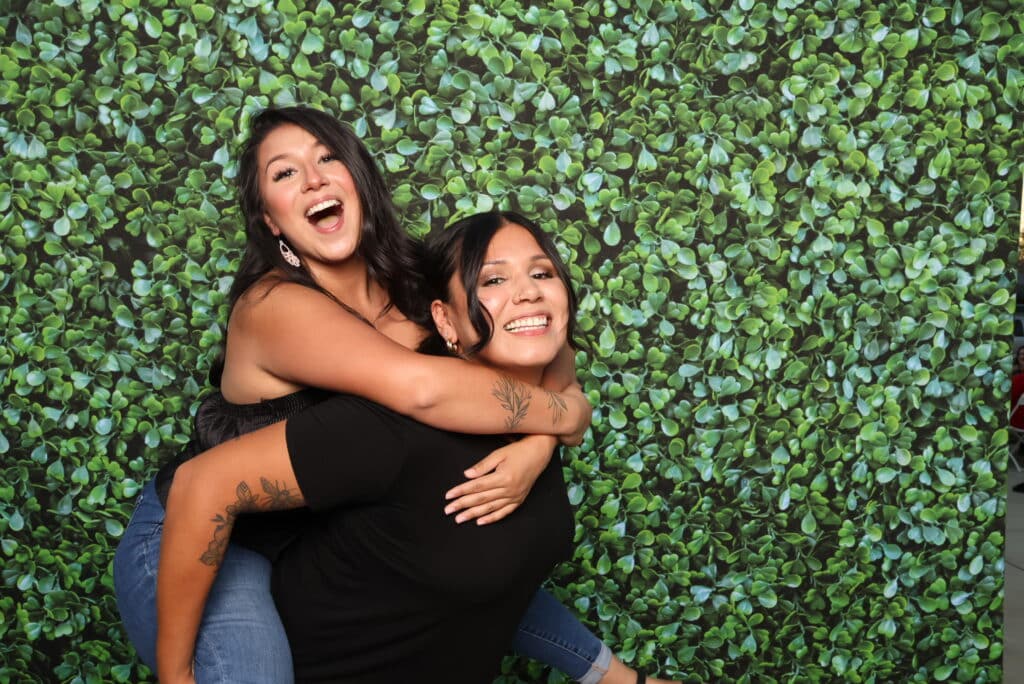
Instant Photo Or Video Booths With Branded Outputs
Instant photo and video booths work because they turn a quick interaction into output people want to keep and share.
At a Stockton summer festival, a brand could set up a 360 video booth where attendees step in, record a short clip and instantly receive a branded video they can post on social media. The entire interaction takes under a minute.
Simple Games Like Spin-To-Win Or Quick Challenges
Simple games create fast engagement because people understand them immediately without needing explanation. A spin-to-win wheel or quick reaction challenge gives attendees a reason to stop, participate and try again for a reward.
This works great in busy festival environments where attention is short and movement is constant.
Sampling Stations With QR-Based Sign-Up
Sampling stations work best when they combine physical product experience with a simple digital step. In Manteca, a local sponsor might offer product samples while guests scan a QR code to enter or sign up instantly.
Interactive Screens That Respond To Touch Or Movement
Interactive screens attract attention because they react instantly to what people do. Attendees can touch, move, or interact with the display to unlock content, animations, or messages.
Short-Form Content Stations Designed For Social Sharing
Short-form content stations are built to create quick, shareable moments that fit how people use social media at events. Guests can record short videos, take themed photos, or generate branded content they can post instantly.
In places like Stockton or Modesto festivals, this becomes a way to turn attendees into active promoters of the brand experience.
Festival activations succeed when they feel like entertainment first and marketing second.
Brand Activation Campaigns for Product Launches
Product launches in the Central Valley perform best when the experience removes confusion and focuses on direct understanding. Instead of long explanations, brands rely on interaction.
Common high-performing formats for product launch brand activation campaigns include:
Hands-On Product Demonstration Stations
Hands-on demo stations allow attendees to physically or digitally interact with a product in a controlled way. This creates immediate understanding without requiring long explanations.
At a Stockton software launch, attendees might use a guided demo station where they test core features based on their role. The interaction is structured so they see relevance within minutes, not hours.
Before-And-After Comparison Experiences
Before-and-after experiences show value by visually demonstrating the problem state and the improved outcome side by side.
In Modesto, a home services brand might use a visual comparison station showing real results before and after a service. Visitors instantly understand the benefit without needing technical detail or sales explanation.
Role-Based Or Need-Based Guided Demos
Role-based demos adapt the experience to the individual visitor. Instead of showing one generic product flow, the system adjusts based on user type or need.
At a Stockton product launch, attendees could select their role such as business owner or team member and immediately see a version of the product designed for them. This makes the experience more relevant and easier to understand.
QR Codes For Deeper Product Information
QR codes extend the experience without slowing it down. They allow attendees to explore more details when they’re ready.
After a quick interaction at a launch in Tracy or Modesto, visitors can scan a code to access deeper product information, videos, or follow-up resources.
Assisted Walkthrough Stations With Staff Support
Assisted walkthrough stations are a combination of human guidance and structured product flows. Staff help attendees move through the experience while keeping it simple and focused.
This works great for complex products where self-guided exploration might make the visitor even more confused.
Brand Activation Campaigns for Corporate Events
Corporate events work best when activations are efficient and easy to navigate. Unlike festivals or product launches, the ultimate goal is to support attendees with any decisions they need to make, not emotional excitement.
Common high-performing formats for corporate brand activation campaigns include:
QR Or Badge-Based Fast Check-Ins
Fast check-in systems allow attendees to enter an activation instantly without long forms or manual steps. This keeps the experience moving and removes unnecessary delays.
At a Stockton corporate expo, visitors might scan a badge or QR code that immediately starts a custom experience. This way engagement begins the moment they arrive.
Interactive Demo Kiosks With Short Workflows
Interactive demo kiosks are designed for speed and clarity. They guide users through a short, structured product experience that focuses only on key value points.
At a Tracy business event, a SaaS company might run a 2-minute guided demo where attendees enter their industry and receive a personalized walkthrough.
Live Dashboards Showing Engagement In Real Time
Live dashboards help corporate teams see how their activation is performing during the event. This includes engagement levels, interactions, and lead activity.
These dashboards allow marketing teams to adjust messaging or flow in real time, making the activation more responsive and data-driven.
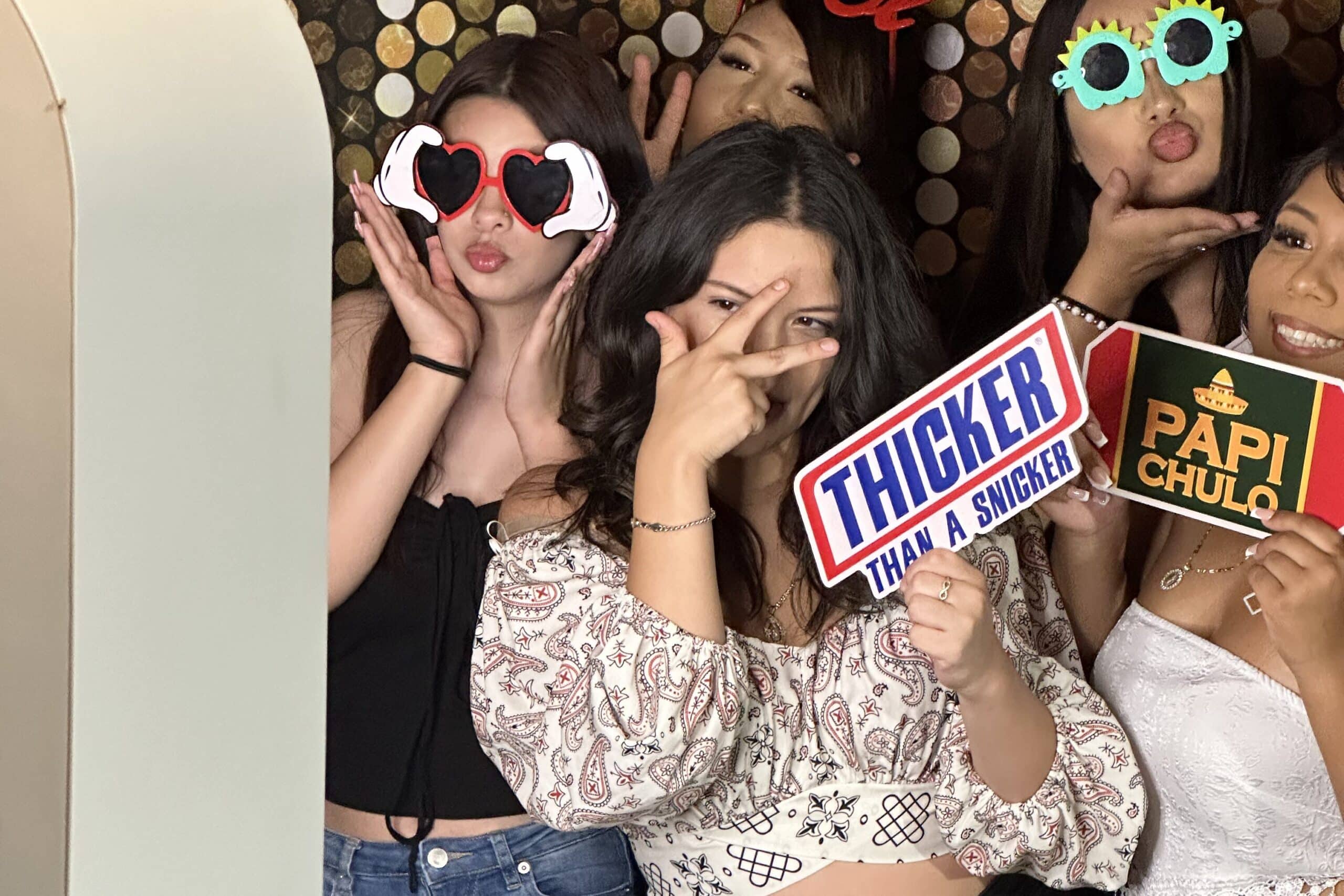
Professional Content Stations Like Headshots
Professional content stations provide immediate value while capturing data in the background. Headshot booths are common in corporate environments because they serve a practical need.
At a Tracy networking event, attendees can receive a professional headshot they can use on LinkedIn or company profiles while their contact details are captured during the process.
Lead Capture Integrated Into First Interaction
In corporate environments, lead capture must feel natural and willing. The most effective systems collect data at the start or during interaction, not at the end.
This way engagement isn’t interrupted and follow-up opportunities are captured while interest is still high.
Why Brand Activation Events Work Better than Traditional Marketing
Traditional marketing pushes messages outward, while brand activation events pull people into interaction.
That difference is important because it’s interaction that creates memory and memory drives action for a brand.
In the Central Valley, where many events are community-based or relationship-driven, trust is built through experience rather than exposure.
The main advantages of brand activation events are:
- Active participation instead of passive viewing
- Stronger brand recall
- Real-time data collection
- User-generated content creation
- Higher-quality leads
Industry experiential marketing research consistently shows that live participation leads to stronger recall than passive advertising formats.
How Brands Measure Success in Brand Activation Campaigns
A strong brand activation campaign is measured through behaviour.
Core KPIs include:
- Number of interactions per hour
- Lead capture conversion rate
- Content shares or downloads
- Dwell time per visitor
- Post-event conversions
But regional differences shouldn’t be ignored. In Stockton, success might be measured by demo completions and follow-up meetings.
In Modesto festivals, success may focus more on engagement volume and social sharing. Each event type requires different measurement priorities.
Common Questions About Brand Activation Events In The Central Valley
Do small businesses benefit from brand activations?
Yes. Even simple brand activation events like sampling stations, QR-based sign-ups, or photo experiences can create strong engagement at local Central Valley events without large budgets.
How much technology is needed?
Only what improves the experience. In most cases, simple tools like QR codes, tablets, or basic interactive screens work better than complex systems that slow people down.
Are brand activation events expensive?
They can be scaled depending on goals, audience size and event type. Some of the most effective brand activation events are also the simplest in setup.
What makes people engage?
Clarity, speed and immediate value. If people understand what to do within seconds and see a benefit quickly, they’re far more likely to participate.
How do you measure success in brand activation events?
Success is usually measured through interactions, lead capture rates, content shares and post-event follow-ups rather than just foot traffic.
Can brand activation events work for both B2B and B2C audiences?
Yes. The format changes, but the principle stays the same. B2B focuses on demos and lead quality, while B2C focuses more on engagement and shareable experiences.
How long should an activation take per person?
Most effective brand activation events are designed to take under 1-3 minutes per interaction, with optional deeper engagement for interested attendees.
What is the biggest mistake brands make?
The most common mistake is designing activations that are too complex or slow, which causes people to walk away before engaging.
Build a Successful Brand Activation Campaign with Luna Events
A strong brand activation campaign, designed with the support of a brand activation company, does far more than attract attention. It creates guided experiences that capture data, generate content, increase the brand’s reach and visibility and build real brand connection.
At Luna Events, we design brand activation events that turn live moments into measurable outcomes through structured engagement, interactive experiences and data-driven design.
Contact Luna Events today and create experiences people don’t just see, but step into, engage with and remember long after the event ends.