
Experiential Marketing Strategy: Planning and Execution At Events
A successful experiential marketing strategy turns any attendee from passive observers into an active participant while generating measurable outcomes like engagement, leads, content creation and brand awareness.
Today, brands are investing heavily in experiential marketing because attention is becoming harder to earn. And live experiences create stronger brand recall and emotional connection than passive advertising alone.
This guide explains how an experiential marketing campaign moves from idea to execution, the planning stages involved and the strategies brands use to create memorable experiences that deliver measurable results.
Experiential Marketing Strategy: The Foundation Of Every Successful Campaign
Every successful experiential marketing strategy starts with a multi-layer question:
“What should people do, think, feel, or remember after interacting with the brand?”
Many brands make the mistake of starting with technology, event themes, or creative ideas. Experienced event marketers start with audience behavior.
Before any creative development begins, teams define:
- Business objectives
- Audience profile
- Event environment
- Desired attendee actions
- Success metrics
A software company exhibiting at a conference may prioritize qualified lead generation, while a consumer brand sponsoring a festival may focus on awareness and content sharing.
The activation should always support the business goal.
Without a clear strategy, even the most visually impressive activation can fail to deliver results.
Understanding Audience Behavior Before Designing The Experience
One of the most important parts of experiential marketing planning happens before any design work begins. Brands need to understand how attendees behave within the specific event environment.
Questions planners typically ask include:
- Why are people attending?
- How much time will they spend engaging?
- What motivates participation?
- What distractions exist nearby?
- What information are they looking for?
Audience behavior changes dramatically depending on the event.
A visitor attending a technology conference at the Moscone Center in San Francisco behaves differently from someone attending a food and music festival in Modesto.
Conference attendees often want efficiency, education and professional value.
Festival attendees usually prioritize entertainment, social interaction, and memorable experiences.
The best experiential marketing strategies adapt to these differences.

Setting Clear Goals For Experiential Marketing Campaigns
Every activation should have measurable objectives.
Common goals include:
- Lead generation
- Product education
- Brand awareness
- Content creation
- Social sharing
- Customer retention
- Product sampling
- Community engagement
Strong experiential marketing campaigns typically focus on one primary objective and one secondary objective.
Generating qualified sales leads might be the primary goal, while creating social media content could be the secondary goal.
Trying to accomplish too many goals often weakens the experience.
Designing The Activation Concept
Once objectives are clear, creative development can begin. This stage transforms strategy into an experience attendees can physically interact with.
Successful concepts generally share 3 characteristics:
- Easy to understand
- Fast to join
- Relevant to the audience
Brands often use a mix of experiential marketing tactics including:
- Interactive product demonstrations
- Gamification
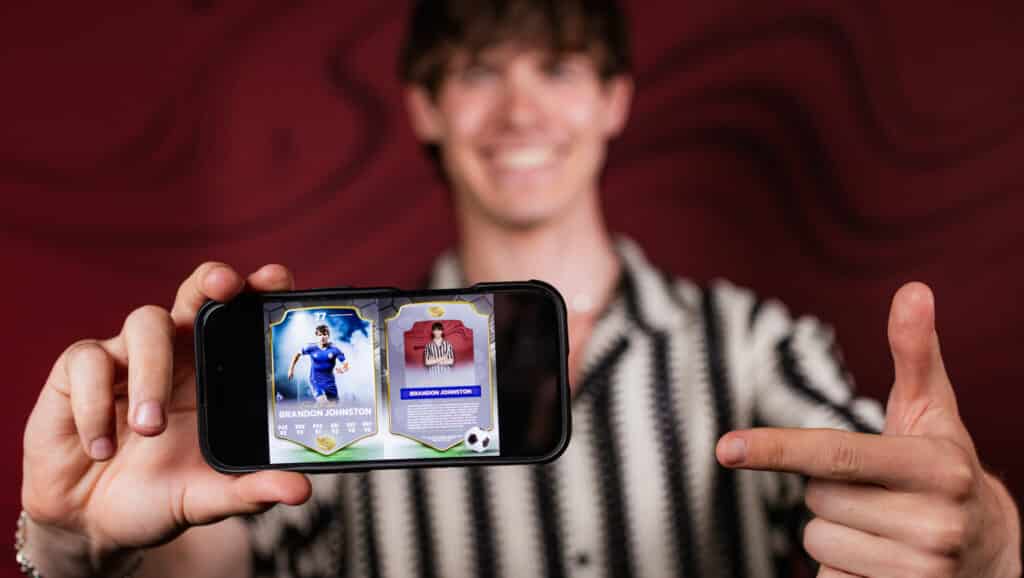
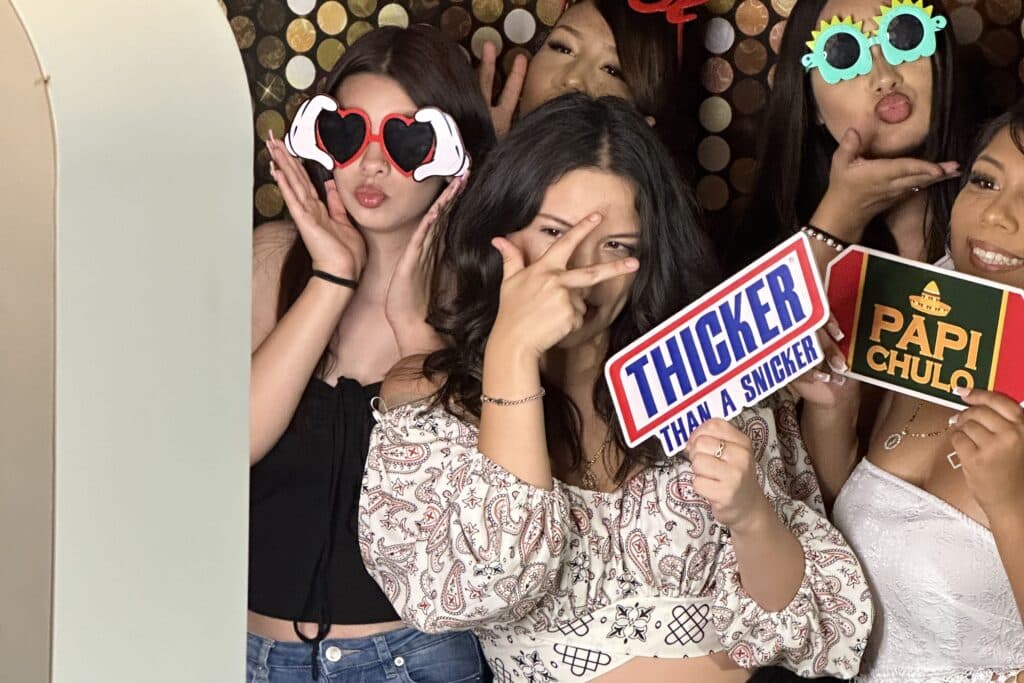
- Photo and video experiences
- Personalized content creation
- Product sampling
- Interactive technology
- Immersive storytelling environments
The best concepts match the product rather than forcing the brand into the experience. Like a productivity software company would create a workflow simulation instead of a generic prize wheel.
Mapping The Attendee Journey
Experienced planners treat activations like customer journeys. Every step is intentionally designed.
Typical journey stages include:
- Attraction
- Entry
- Participation
- Data capture
- Content delivery
- Follow-up
Many experiential marketing activations fail because they focus only on attraction.
The strongest campaigns plan what happens after participation as carefully as they plan the initial interaction.
If someone creates content at an activation, there should be a clear delivery process, sharing mechanism and follow-up communication sequence.
Choosing The Right Experiential Marketing Tactics
Different goals need different tactics.
For Lead Generation
The most effective approaches often include:
- Interactive assessments
- Product demonstrations
- QR registration systems
- Personalized consultations
- Guided workflows
For Brand Awareness
Brands commonly use:
- Photo experiences
- 360 video booths
- Interactive installations
- Large-scale visual displays
- Influencer participation
For Product Education
Common tactics include:
- Hands-on demonstrations
- Guided tutorials
- Product comparison stations
- Interactive learning zones
- Live expert sessions
The tactic should always support the primary and secondary goals.
A flashy activation that generates attention but no meaningful engagement doesn’t have long-term value.
Technology’s Role In Experiential Marketing Activations
Technology can make an event experience more interactive,and more enjoyable when it’s used in a simple and practical way.
But, technology should support engagement rather than become the experience itself.
Common tools include:
- QR codes
- RFID systems
- NFC technology
- Interactive kiosks
- Touchscreens
- AI-powered personalization
- Automated lead capture systems
- Real-time dashboards
The most successful experiential marketing activations use technology to remove friction.
Attendees can receive photos instantly, book demos automatically, or access personalized content without completing lengthy forms.
Logistics: The Part Nobody Sees
Creative concepts receive most of the attention, but logistics determine whether an activation succeeds.
Event teams typically manage:
- Venue approvals
- Power requirements
- Internet connectivity
- Staffing plans
- Equipment transportation
- Setup schedules
- Safety compliance
- Contingency planning
Experienced event marketers often spend more time planning logistics than designing creative elements.

Staffing And On-Site Execution
People remain one of the most important components of experiential brand marketing. Even highly automated activation needs knowledgeable staff.
Successful event teams focus on:
- Greeting attendees
- Explaining participation
- Troubleshooting issues
- Managing traffic flow
- Capturing leads
- Reinforcing brand messaging
The best staff members act as guides rather than salespeople. Attendees engage more willingly when interactions feel helpful rather than promotional.
Measuring Experiential Marketing Campaign Performance
Measurement begins before the event starts.
Main KPIs often include:
- Participation rate
- Lead capture rate
- Dwell time
- Content creation volume
- Social shares
- Demo bookings
- Product trials
- Follow-up engagement
For B2B campaigns, marketers often focus on:
- Qualified leads
- Meetings booked
- Pipeline contribution
For consumer campaigns, measurement may focus on:
- Reach
- Engagement
- Sampling volume
- Brand recall
Common Mistakes Brands Make
Many activations fail for predictable reasons.
The most common mistakes include:
- Prioritizing technology over strategy
- Creating overly complex experiences
- Ignoring attendee behaviour
- Failing to capture data
- Measuring vanity metrics only
- Designing for internal stakeholders instead of attendees
A successful experiential marketing strategy starts with the audience.
Common Questions About Experiential Marketing Strategy
What is an experiential marketing strategy?
An experiential marketing strategy is a structured plan for creating live brand experiences that encourage participation and achieve measurable business goals.
What is the difference between experiential marketing and event marketing?
Event marketing promotes an event. Experiential marketing focuses on creating interactions within the event that connect audiences to the brand.
How long does it take to plan an experiential marketing campaign?
Simple activations may take several weeks, while large-scale campaigns often require several months of planning.
What makes experiential marketing effective?
Participation. People are more likely to remember experiences they actively engage with than messages they simply observe.
Are experiential marketing campaigns only for large brands?
No. Businesses of all sizes can use experiential marketing strategies by scaling activations to fit their audience and budget.
How do brands measure ROI?
ROI is measured through metrics such as leads generated, engagement rates, content shares, conversions and post-event sales activity.
What industries benefit most from experiential marketing?
Technology, retail, automotive, healthcare, hospitality, real estate, consumer goods, entertainment and professional services all use experiential marketing successfully.
From Event Idea To Lasting Brand Impact with Luna Events
The best event experiences are built around behavior. A strong experiential marketing strategy identifies what attendees need, designs meaningful interactions around those needs, and measures the results afterward.
At Luna Events, we help brands plan and execute experiential marketing campaigns that combine creativity, technology, engagement and measurable outcomes. Our team creates experiences that connect audiences with brands in ways that are memorable, shareable and effective.
Contact Luna Events today and let’s start building an experience that stands out.