
Experiential Marketing Ideas for Campaigns That Drive Audience Interaction
Experiential marketing ideas help brands create immersive experiences that encourage people to participate rather than simply observe. The most successful campaigns combine storytelling, interaction, and strategic design to build genuine emotional connections while delivering measurable business outcomes.
As audiences become more selective about the content they engage with, brands are investing in live experiences that stand out in crowded markets. Whether it is a product launch in Fresno, a festival activation in Bakersfield, a retail experience in Modesto, or a corporate event throughout the Central Valley and surrounding area, experiential marketing ideas transform passive audiences into active participants.
This guide explores proven campaign ideas, the principles behind successful activations, and how to design experiences that people remember long after the event ends.
The Importance of Creative Experiential Marketing Ideas
Traditional advertising competes for attention. Experiential marketing earns it.
Consumers increasingly value authentic experiences over promotional messages. Giving people the opportunity to interact with a product or brand creates stronger emotional connections and improves brand recall.
Experiential marketing campaigns are particularly effective because they encourage participation instead of observation.
The benefits include:
- Higher audience engagement
- Stronger emotional connections
- Increased brand awareness
- More user generated content
- Better customer recall
- Greater word of mouth marketing
In the Central Valley and surrounding areas, immersive brand experiences often help companies stand out in crowded markets where conventional advertising struggles to make an impact.
The Foundations Of Successful Experiential Marketing Campaigns
Every memorable campaign begins with a clear strategy. Creativity is important, but successful experiential marketing campaigns are built on a framework that connects the experience directly to business objectives.
The strongest campaigns combine:
A Clear Brand Story
Every interaction should reinforce the brand message.
Whether introducing a new product or strengthening customer loyalty, visitors should leave with a clear understanding of what the brand represents.
Audience Participation
The audience should actively influence the experience.
Instead of watching demonstrations, visitors should explore, create, personalise, or solve challenges that make them part of the story.
Emotional Engagement
People remember experiences that make them feel something.
Humour, surprise, curiosity, excitement, and achievement all strengthen emotional connections with a brand.
Shareable Moments
Experiences should naturally encourage visitors to capture photos, videos, and social content.
Organic sharing extends the campaign’s reach well beyond the event itself.
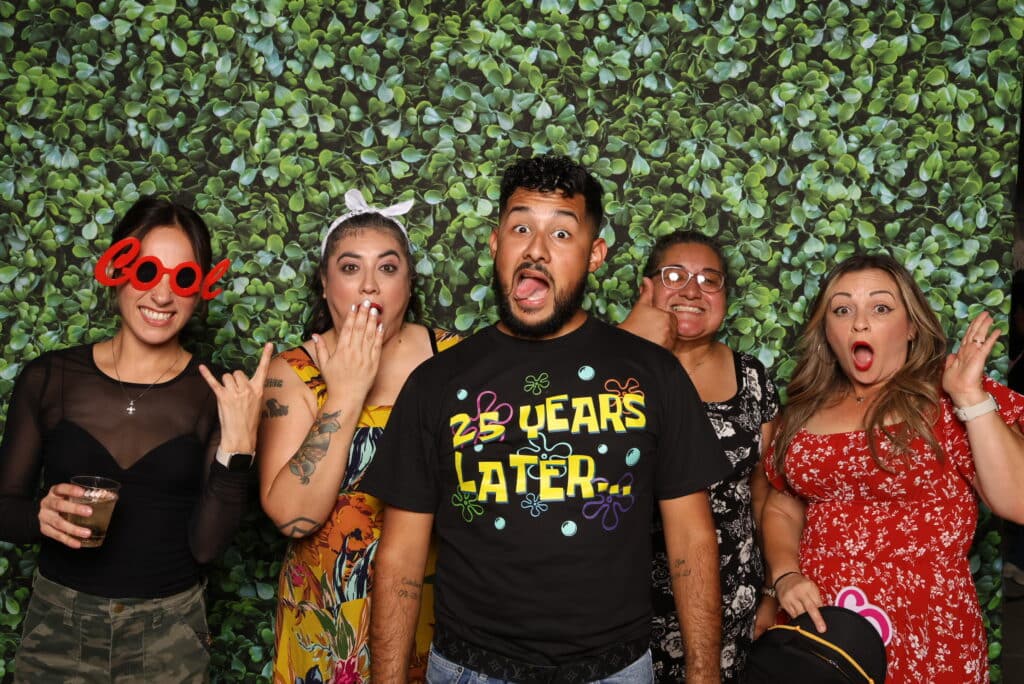
Experiential Marketing Ideas That Increase Audience Interaction
The most effective experiential marketing ideas are designed around how people naturally behave. Visitors engage when experiences are intuitive, rewarding, and enjoyable.
Popular approaches include:
Interactive Product Demonstrations
Allow visitors to test products in realistic situations rather than simply viewing displays.
Hands on interaction builds confidence and helps audiences understand product benefits more quickly.
Live Product Personalisation
Invite visitors to customise products in real time.
Personalisation creates ownership and encourages deeper engagement with the brand.
Immersive Brand Storytelling
Guide visitors through a carefully designed journey where each stage reveals part of the brand story.
Lighting, sound, visual design, and physical environments work together to create memorable experiences.
Gamified Experiences
Introduce challenges, competitions, or interactive games that reward participation.
Gamification encourages longer dwell times while making brand interactions more enjoyable.
Pop Up Brand Experiences
Temporary installations create exclusivity and urgency.
These activations work particularly well during festivals, city events, shopping centres, and high footfall locations.
Multi Sensory Installations
Engage multiple senses through sound, lighting, texture, scent, and movement.
The more senses involved, the more memorable the experience becomes.
Types Of Experiential Marketing Campaigns
Different objectives require different campaign formats.
Some of the most successful experiential marketing campaigns include:
Product Launch Activations
Launch events allow customers, media, and influencers to experience new products before wider release.
Live demonstrations, interactive displays, and exclusive experiences generate excitement and early brand advocacy.
Retail Brand Experiences
Interactive retail environments encourage visitors to spend more time exploring products.
Digital displays, demonstrations, and personalised experiences help transform stores into destinations rather than simply points of sale.
Festival Activations
Music festivals, sporting events, and cultural celebrations provide opportunities to engage large audiences in memorable environments.
Well designed festival activations create high visibility while generating significant social media exposure.
Corporate Brand Experiences
Experiential campaigns are equally valuable for internal audiences.
Employee events, conferences, and company celebrations strengthen culture while communicating organisational values in engaging ways.
Public Space Installations
High traffic locations such as shopping districts, transport hubs, and city centres provide opportunities for brands to create immersive experiences that attract both planned visitors and passersby.
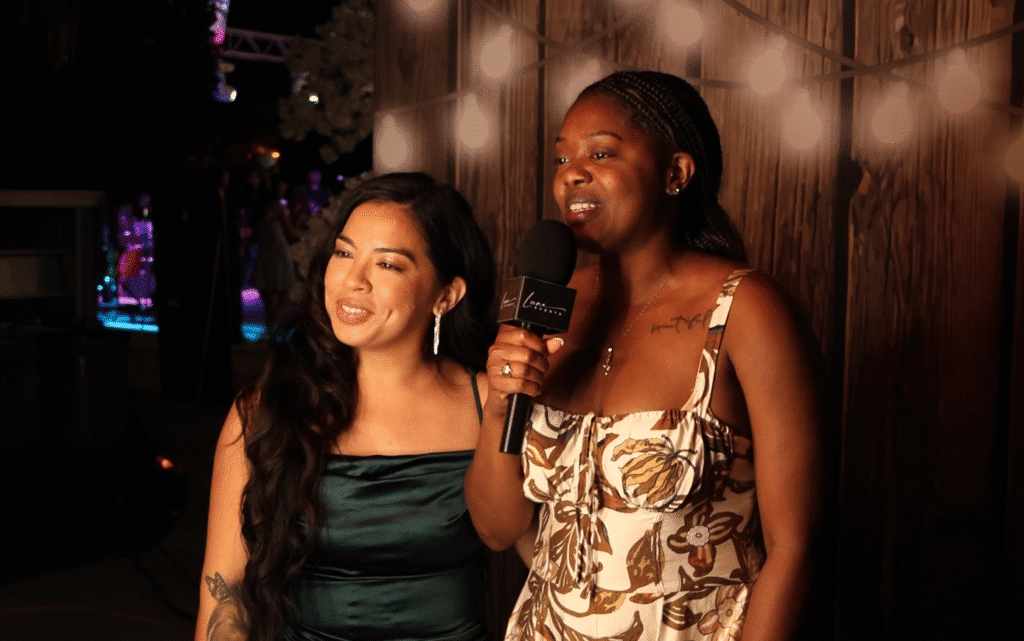
How To Design Effective Experiential Marketing Ideas
Successful campaigns balance creativity with operational planning.
A structured process improves both execution and results.
Follow these steps:
- Define the campaign objective.
- Identify your target audience.
- Develop a clear creative concept.
- Select the right venue.
- Design interactive touchpoints.
- Build opportunities for social sharing.
- Measure results after the event.
Testing concepts before a full rollout also helps identify operational issues and refine audience interactions before launch.
How To Measure The Success Of Experiential Marketing Campaigns
Creative ideas only become valuable when they achieve measurable outcomes.
Useful performance indicators include:
- Visitor participation rates
- Average interaction time
- Social media engagement
- User generated content
- Lead generation
- Sales conversions
- Brand recall surveys
- Customer feedback
Combining event analytics with digital marketing data provides a more complete understanding of campaign performance and helps improve future activations.
Common Mistakes To Avoid
Even well-funded campaigns can fail if execution does not match strategy.
The most common mistakes include:
- Creating experiences that are too complicated
- Prioritising visual impact over audience interaction
- Weak alignment between the experience and the brand
- Poor operational planning
- Limited staff training
- Failing to measure campaign performance
Successful experiential marketing campaigns focus on creating simple, intuitive experiences where every interaction supports the overall brand story.
Frequently Asked Questions
What is experiential marketing?
Experiential marketing is a strategy that allows customers to interact directly with a brand through live, immersive, or interactive experiences instead of traditional advertising.
Why is experiential marketing effective?
People are more likely to remember experiences they actively participate in than advertisements they passively consume. Interactive campaigns also encourage emotional engagement and organic social sharing.
Which businesses benefit most from experiential marketing?
Experiential marketing works across many industries, including technology, automotive, retail, hospitality, healthcare, finance, entertainment, and consumer products.
Can experiential marketing be measured?
Yes. Campaign performance can be measured using participation rates, dwell time, social engagement, lead generation, sales, customer feedback, and brand awareness studies.
Turning Experiential Marketing Ideas Into Lasting Brand Impact with Luna Events
Experiential marketing ideas have become an essential part of modern brand strategy because they create genuine connections that traditional advertising often cannot achieve.
By combining immersive environments, interactive storytelling, and meaningful audience participation, brands can increase engagement while building stronger long term customer relationships.
At Luna Events, we design experiential marketing campaigns that combine creative thinking with flawless execution. From product launches and corporate activations to festivals, retail experiences, and large scale brand events, our team develops tailored experiences that reflect your objectives, engage your audience, and deliver measurable results.
When experiential marketing ideas are backed by strategic planning and expert delivery, they become experiences that people talk about, share, and remember long after the activation has ended.
Contact Luna Events today and let’s make your next event the experience people can’t stop talking about.