
Experiential Marketing Guide: Everything Brands Need To Know (2026)
Experiential marketing helps brands turn audiences into active participants using live experiences that lead to stronger connections, but also measurable results. With so many options available for creating an experiential marketing campaign, brands need a clear strategy to choose the right approach. This experiential marketing guide explains the key elements behind successful campaigns and how businesses can create experiences that audiences remember.
Today, brands are competing for attention across festivals, corporate events, product launches and community experiences. A standard booth or promotional message might not be enough. People expect experiences that are interactive and memorable.
From a product demonstration at a business expo to a branded experience at a festival, successful campaigns are built around one idea: give people a reason to participate.
Experiential Marketing Guide: The Foundation Of Successful Brand Experiences
This experiential marketing guide starts with one important idea: successful brand experiences are built around strategy, not just creativity. An experiential marketing strategy helps brands create live experiences where audiences actively interact with a brand, building stronger connections while supporting measurable marketing goals.
Many brands make the mistake of starting with the visual elements first. They focus on booth designs, technology, or creative ideas before deciding what they actually want attendees to experience and do.
A strong approach always starts with the audience.
Before creating an activation, brands need to define:
- Who they want to reach
- Why people are attending the event
- What action they want attendees to take
- How they will measure success
- What type of experience fits the environment
A software company exhibiting at a business event in Stockton may focus on product demonstrations and qualified lead generation. A lifestyle brand participating in a community festival in Modesto may focus more on engagement, social sharing and building brand awareness.
The right experience depends on the audience, event type and business goals.
Without a clear experiential marketing strategy, even a visually impressive activation can become just another booth that people walk past.
Understanding How Audiences Behave At Different Events
The most effective experiential campaigns start by understanding attendee behaviour.
People interact differently depending on the type of event, location and reason they are there.
A business professional attending a conference at the Fresno Convention & Entertainment Center is looking for information, solutions and networking opportunities.
Someone attending a festival in Modesto or Turlock is looking for entertainment, social moments and experiences they can share.
Successful brands adjust their approach based on these differences.
Event Environments Influence Engagement
Corporate audiences often prefer:
- Short product demonstrations
- Professional conversations
- Educational experiences
- Efficient interactions
Festival audiences often respond better to:
- Photo and video experiences
- Games and challenges
- Interactive installations
- Shareable content
The best experiential marketing strategies are flexible enough to work across different settings while keeping the main brand message consistent.
Setting Clear Goals For Experiential Marketing Campaigns
Every successful experiential marketing campaign starts with a measurable goal.
Brands should know what they want the experience to achieve before designing the activation.
Common experiential marketing goals include:
- Generate qualified leads
- Increase brand awareness
- Educate customers about products
- Create social media content
- Encourage product trials
- Build community relationships
- Collect customer insights
A common mistake is trying to achieve everything at once.
A B2B company at a Stockton business event may prioritise lead generation and booked meetings. A consumer brand at a Manteca community event may focus on engagement and brand recall.
Designing The Experiential Marketing Activation
Once goals are clear, brands can begin designing the experience.
The strongest experiential marketing activations usually have 3 things in common:
- They are easy to understand
- They create quick participation
- They provide immediate value
People should know what to do within seconds.
Common experiential marketing tactics include:
- Interactive product demonstrations
- Branded photo and video experiences
- Gamified challenges
- Product sampling stations
- Personalised content creation
- Interactive screens and displays
- Storytelling experiences
A home improvement brand at a Central Valley event could create a before-and-after experience where visitors compare results visually.
A technology company could create an interactive demo where users experience the product instead of listening to a presentation.
The strongest experiences allow the audience to actively participate and become part of the brand story.

Planning The Attendee Journey
Successful experiential marketing campaigns don’t focus only on attracting attention. They plan the entire attendee journey.
The journey usually includes:
- Attracting attention
- Encouraging participation
- Delivering the experience
- Capturing information
- Following up after the event
If an attendee creates branded content, the delivery process should be immediate. If someone completes a product demo, the follow-up should happen while interest is still high.
Every interaction should have a purpose.
Choosing The Right Experiential Marketing Tactics
Different goals need different approaches.
Lead Generation Experiences
If you’re focused on collecting qualified leads, some of the most effective tactics include:
- Interactive product assessments
- Guided demonstrations
- QR-based registrations
- Consultation stations
- Personalised recommendations
These approaches help you identify interested customers without the traditional sales interaction.
Brand Awareness Experiences
For awareness-focused campaigns, brands often use:
- Photo experiences
- Video creation stations
- Interactive displays
- Branded installations
- Social sharing opportunities
These experiences encourage attendees to become part of the brand story.
Product Education Experiences
For products that need an explanation, you can use:
- Hands-on demonstrations
- Comparison stations
- Guided walkthroughs
- Learning zones
- Expert presentations
Education-based experiences work well for technology, real estate, automotive and professional services.
Technology In Experiential Marketing
Technology can improve an experience, but it should support the interaction rather than replace it. The best campaigns use technology to make participation easier.
Common tools are:
- QR codes for quick registration
- Interactive touchscreens
- Digital photo and video creation
- Automated lead capture
- Real-time engagement tracking
- Personalised content delivery
A brand activation at a Stockton event could allow visitors to scan a QR code, complete a short interaction and receive personalised content within the minute.
Technology works best when attendees barely notice it, but feel how easy the process is.

How Brands Execute Experiential Marketing Campaigns At Events
Planning creates the concept. Execution determines whether the experience works.
Before an event begins, teams manage:
- Venue requirements
- Equipment setup
- Staff training
- Customer flow
- Technical testing
- Backup plans
At venues across Modesto, Stockton, Tracy and surrounding areas, event conditions can vary. Space limitations, audience flow and venue layouts all affect how an activation performs.
A strong execution plan makes sure the experience feels simple for attendees, even though significant planning happens behind the scenes.
Staffing And On-Site Execution
Even the best-designed experiential marketing activation depends on the people delivering it. Staff members are often the first human interaction attendees have with the brand.
The role of event staff goes beyond just explaining the activation. They give the first impression, guide people through the experience, answer questions and make participation feel effortless.
Successful event teams focus on:
- Welcoming attendees quickly
- Explaining the experience clearly
- Helping visitors complete the interaction
- Managing queues and traffic flow
- Capturing important feedback
- Supporting lead collection
At a corporate event in Stockton, trained brand representatives can help visitors move through a product demonstration while identifying high-interest prospects.
At a public event in Modesto, staff may focus more on encouraging participation and helping attendees create more content for both them and the brand.
The approach changes depending on the audience, but the goal stays the same: make the interaction easy and enjoyable.
Measuring The Success Of Experiential Marketing Campaigns
A successful experiential marketing campaign should be measured by more than attendance numbers.
Brands need to understand what people actually did, how they interacted, how long and what happened after the event.
Common experiential marketing performance metrics include:
- Number of interactions
- Lead capture rate
- Time spent engaging
- Content created and shared
- Product demonstrations completed
- Follow-up conversations
- Sales opportunities generated
A B2B company attending an event in Tracy may measure success through qualified leads and meetings booked, while a consumer brand at a Turlock community event may focus more on participation, social sharing and brand awareness.
The right metrics depend on the purpose of the campaign.
Common Experiential Marketing Mistakes Brands Make
Many brands invest in experiential marketing but fail because the activation is designed around the company instead of the audience.
The most common mistakes include:
- Creating experiences that are too complicated
- Using technology without a clear purpose
- Failing to train event staff properly
- Ignoring attendee behaviour
- Collecting data without creating value
- Measuring only attendance numbers
A successful experiential marketing strategy starts by understanding what people need from the experience.
How Experiential Marketing Supports Brand Activation
A brand activation gives people a direct reason to interact with a company, while experiential marketing focuses on creating the overall experience around that interaction.
A food brand launching a new product could create a tasting station where visitors try the product, share feedback and receive personalized recommendations.
A technology company could create a hands-on demo area where attendees experience the product before speaking with a sales team.
Across the Central Valley, these experiences are becoming more valuable because brands are looking for ways to create stronger connections beyond traditional advertising.
Experiential Marketing Ideas For Central Valley Events
Different locations and audiences require different approaches.
In Modesto, Stockton, Tracy, Manteca, and Turlock, brands often benefit from experiences that combine community connection with practical value.
Examples include:
Interactive Photo And Video Experiences
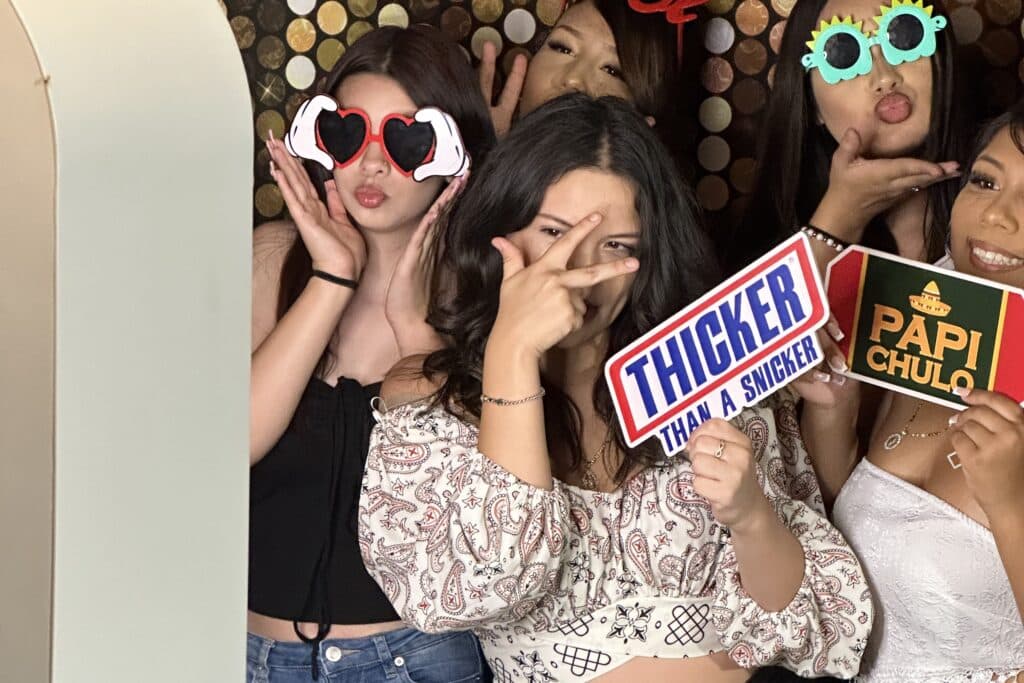
Photo and video activations create immediate value because attendees receive something they can keep and share.
A brand sponsoring a local festival could create a themed photo experience where guests receive branded content after participating.
Product Demonstration Zones
Demonstration areas help customers understand products through direct interaction.
A home improvement company could create a before-and-after display where visitors compare results visually.
Interactive Games And Challenges
Simple games create participation without requiring long explanations.
A local sponsor at a community event could use challenges, quizzes, or competitions to encourage engagement.
Personalised Digital Experiences
Digital experiences allow brands to create more relevant interactions.
A visitor could answer a few questions and receive content, recommendations, or information based on their interests.
Frequently Asked Questions About Experiential Marketing
What Is Experiential Marketing?
Experiential marketing is a strategy where brands create live, interactive experiences that allow people to engage directly with products, services, or brand messages. These experiences help create stronger connections by encouraging participation instead of passive viewing.
Why Is Experiential Marketing Effective?
Experiential marketing works because people often remember experiences they participate in. Instead of only seeing an advertisement, attendees interact with the brand and create a more personal connection that can improve engagement and brand recall.
What Is The Difference Between Experiential Marketing And Traditional Marketing?
Traditional marketing delivers messages to an audience through channels like advertising or media. Experiential marketing creates direct interactions where people become part of the experience. This way brands build stronger relationships through participation and engagement.
How Long Does It Take To Plan An Experiential Marketing Campaign?
Planning time depends on the size, location and complexity of the activation. Smaller campaigns may take several weeks, while larger experiences involving technology, custom builds and multiple teams can need several months of preparation.
What Types Of Businesses Use Experiential Marketing?
Businesses across industries including technology, retail, automotive, hospitality, real estate, healthcare and professional services use experiential marketing. Companies use these experiences to educate customers, increase engagement, collect leads, and create stronger brand connections.
Can Small Businesses Use Experiential Marketing?
Yes, experiential marketing can be adapted to different budgets and goals. Small businesses can create effective experiences through product demonstrations, sampling stations, photo activations, community events and other simple interactive experiences.
How Do Brands Measure Experiential Marketing Success?
Brands measure success through metrics such as attendee engagement, leads collected, content created, customer feedback and business outcomes after the event. The right measurements depend on whether the goal is awareness, education, or conversions.
Create Memorable Experiences With Luna Events
An effective experiential marketing guide always comes back to one principle: the experience must create value for the audience first. Brands that succeed design meaningful interactions that encourage participation and generate engagement that leads to stronger relationships.
At Luna Events, we help brands create experiential marketing campaigns that combine creativity, technology and strategic planning. Our team designs brand activations and live marketing events that help businesses like yours connect with audiences through memorable experiences.
Contact Luna Events today and let’s create an experience that captures attention and gives your audience something worth remembering.