
Experiential Marketing Central Valley: How Brands Captivate Modern Audiences
Imagine walking into a corporate event and seeing a branded photo experience instead of another logo-covered backdrop. You step forward, choose a creative concept, and leave with a personalized image you can share instantly. The brand has given you something to do, not just something to look at.
Now picture an expo space where your team can demonstrate a product through a hands-on challenge, collect qualified leads through a useful interaction, and give visitors a reason to stay longer. That is the difference experiential marketing central valley businesses are increasingly looking for when traditional sponsorships and static booths are not enough.
Whether you are planning a healthcare conference, agricultural event, corporate gathering, trade show, product launch, or regional brand activation, this experiential marketing guide will help you understand which experiences can work, what they can cost, how to plan them, and what to look for when comparing providers.
What Does Experiential Marketing Central Valley Mean For Your Brand?
Experiential marketing central valley campaigns turn an audience into active participants. Instead of simply seeing your logo, people interact with your brand through a demonstration, game, tasting, photo experience, workshop, challenge, or other memorable activity.
The goal is not entertainment for its own sake. A strong experience connects the activity to something you want your audience to remember, understand, try, share, buy, or do next.
For example, a healthcare system could turn a standard conference booth into a wellness discovery station where attendees explore educational content through interactive screens and receive a personalized takeaway. A regional agricultural brand could create a grower-inspired tasting experience that lets visitors connect the product with its local origins.
Your experience should answer three questions quickly:
- Why should I stop?
- What do I get to do?
- Why does this matter to me?
If those answers are unclear, even an attractive installation can struggle to attract meaningful participation.
How Can You Turn A Standard Event Space Into A Brand Experience?
The most effective transformation starts with the visitor journey rather than the physical display. You want to create a clear path from attraction to participation, brand interaction, and an appropriate next step.
A conventional expo booth might have a backdrop, counter, brochures, and staff waiting for people to approach. An experiential setup could replace that passive arrangement with a short product challenge, interactive demonstration, branded portrait station, or hands-on activity that naturally starts a conversation.
Consider a corporate hospitality suite. Instead of placing branded materials around the room, you could create several small moments: a personalized photo experience near the entrance, a product demonstration during networking, and a digital station where guests can explore a service or enter a relevant giveaway.
The experience does not need to be enormous. A well-designed 10-minute interaction can be more useful than a large installation that looks impressive but gives guests no reason to participate.
Which Experiential Marketing Formats Work Best In Central California?
The right experiential marketing ideas depend on your audience, event environment, campaign goal, and available space. You might need a highly interactive experience for a trade show or something faster for a busy public event.
Photo And Video Activations
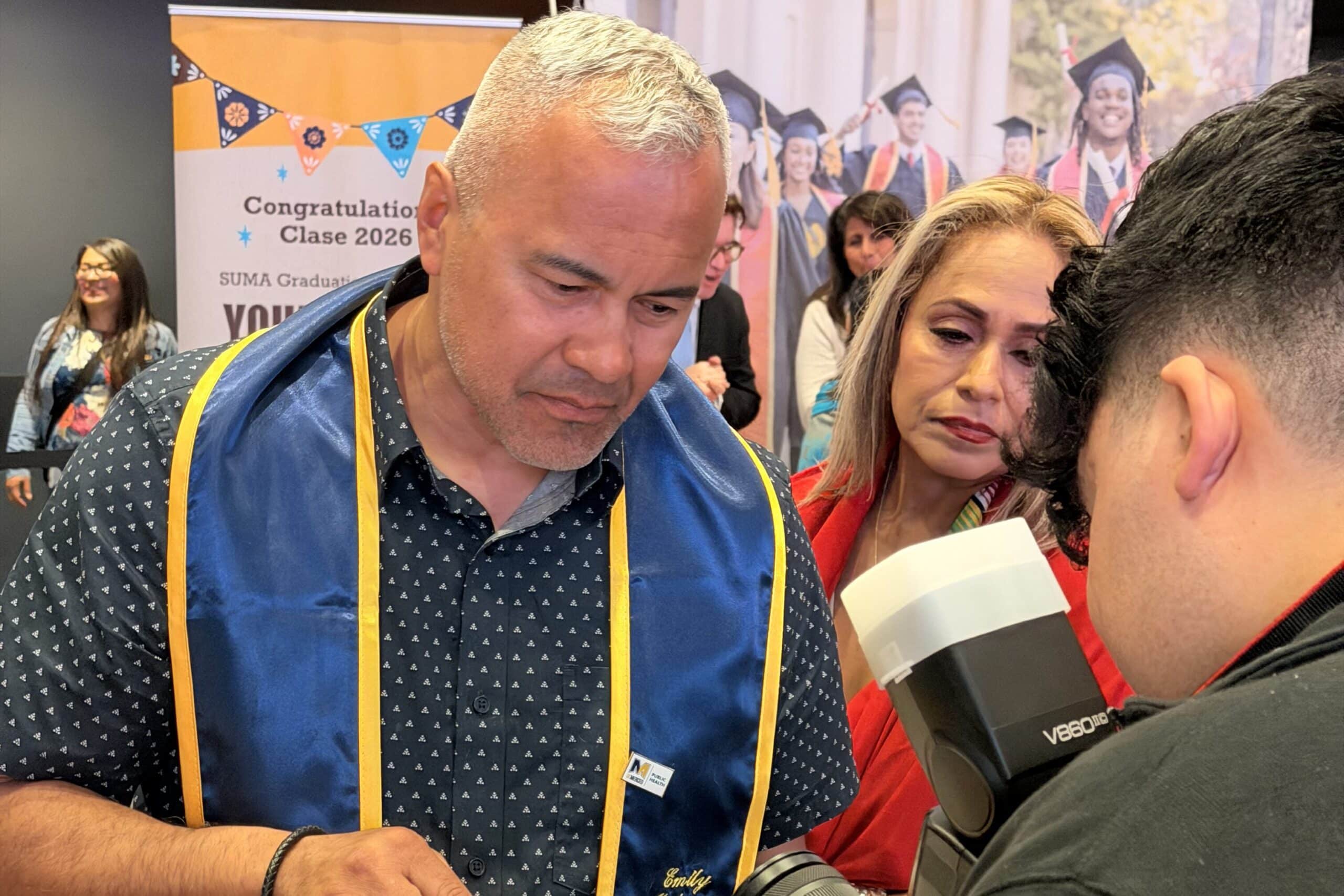
Photo booths, branded portraits, GIFs, 360-degree video, and other visual experiences give people an immediate reason to participate. They can also create a physical or digital takeaway that keeps your brand connected to the interaction.
For corporate events, you can customize the visual treatment around a campaign, product launch, company milestone, or event theme. A trading-card-style experience, for example, can turn a guest portrait into a personalized collectible with branded graphics.
Interactive Games And Challenges
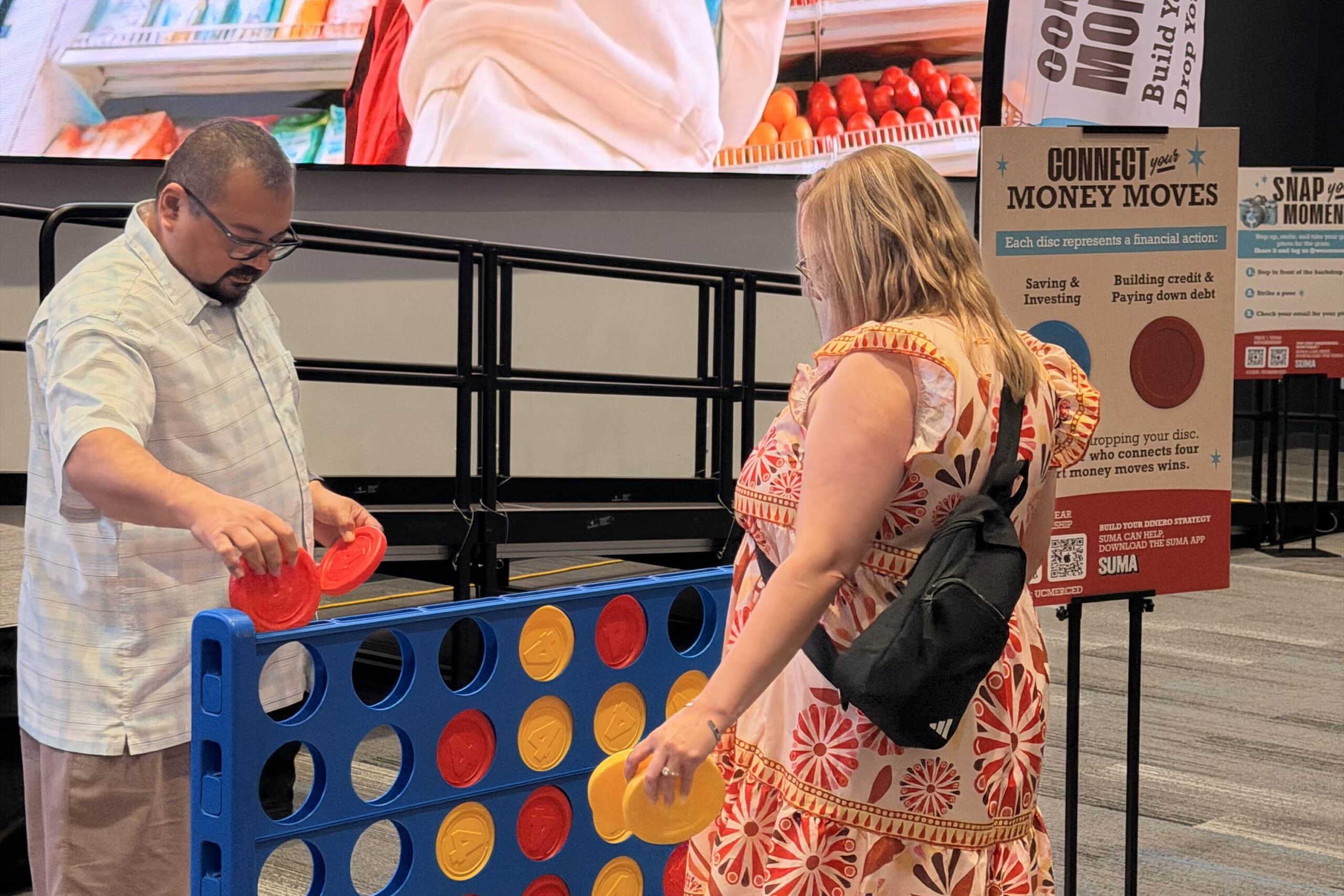
Games work well when you need to attract attention quickly. A timed challenge, trivia game, digital quiz, product-matching activity, or voting wall can create a natural gathering point.
Keep the mechanics easy to understand. If someone needs a long explanation before they can participate, your activation may lose people before it starts.
Product Demonstrations And Sampling
When your product benefits from being tasted, touched, tested, or demonstrated, experiential marketing can shorten the distance between awareness and consideration.
You could build a tasting station for a food brand, a hands-on product demonstration for an equipment company, or an educational display for a healthcare or financial organization. The key is giving the audience a reason to participate while making the brand message part of the experience.
Workshops And Educational Experiences
Some audiences need information before they are ready to act. A short workshop, expert demonstration, educational station, or guided activity can work particularly well for healthcare, financial services, technology, education, home services, and agricultural brands.
Your objective should be practical: give people something useful to understand, try, compare, or take away.
How Should You Design An Interactive Event Marketing Experience?
Start with one measurable objective rather than trying to accomplish everything at once. Your primary goal might be qualified leads, product trials, appointments, content creation, retail visits, awareness, or customer engagement.
From there, build the experience around the audience.
A useful guest journey looks like this:
- Attract: Make the activity understandable from a distance
- Welcome: Give people a quick, friendly introduction
- Participate: Make the main interaction easy to understand
- Connect: Bring your brand message naturally into the experience
- Choose: Offer an appropriate next step, such as a purchase, appointment, download, or optional sign-up
- Remember: Give the guest something worth keeping, sharing, or discussing
- Follow up: Deliver anything promised and contact opted-in leads promptly
This structure works whether you are building an experiential marketing agency Fresno campaign, a brand experience agency Bakersfield activation, or a multi-city program across the Central Valley.
What Should You Consider For Fresno, Bakersfield, Modesto And Other Central Valley Events?
Central Valley campaigns require more geographic planning than a single-city event. Fresno, Bakersfield, Modesto, Stockton, Turlock, Manteca, Tracy, and surrounding communities can have very different audiences, venues, event calendars, and travel considerations.
Outdoor events also require practical preparation. Heat, direct sunlight, wind, equipment protection, power availability, and staff breaks can affect the guest experience and your operating costs.
The region’s agricultural, family, cultural, sports, education, and community events also create opportunities to make your activation feel locally relevant. You should adapt the experience to the audience attending the specific event rather than simply transporting the same setup from one city to another.
For a multi-city campaign, mobile and modular experiences can make logistics easier. You can keep the core concept consistent while adjusting graphics, messaging, activities, staffing, and local partnerships for each stop.
How Much Does Experiential Marketing Cost In The Central Valley?
There is no reliable single price for an experiential marketing campaign because the scope can range from a focused photo activation to a fully produced multi-event brand experience. Your quote can change significantly based on the event, number of guests, duration, staffing, fabrication, technology, travel, equipment, and customization.
Your budget may include:
- Creative strategy and experience design
- Venue or sponsorship fees
- Booth, tent, display, furniture, or fabrication
- Photo, video, or interactive technology
- Brand ambassadors and event staff
- Product, samples, prizes, or takeaways
- Transportation, setup, teardown, and storage
- Internet, power, and backup equipment
- Insurance and required permits
- Promotional support
- Lead capture and reporting
If you are comparing proposals, ask whether setup, teardown, travel, staffing, technology, design revisions, delivery, and post-event reporting are included. A lower initial quote can become more expensive if essential production costs are added later.
For an accurate project-specific price, request a proposal based on your event date, location, audience, duration, experience type, and required level of customization.
How Do You Measure A Corporate Event Experience?
You should decide how you will measure the activation before you build it. The right metric depends on what you want the experience to accomplish.
For a lead-generation campaign, track qualified leads, opt-in rates, appointments, and cost per qualified lead. For a product launch, you might measure product trials, interactions, content creation, offer redemptions, and follow-up actions.
Photo and video experiences can provide additional measures such as images created, downloads, shares, and participation rates. These numbers become more useful when you connect them to the original business objective.
Do not assume a crowded activation automatically performed well. A smaller experience that generates relevant conversations or qualified opportunities may be more valuable than a busy space filled with people who have no connection to your target audience.
When Should You Not Use Experiential Marketing?
Experiential marketing strategy is not necessary for every event. If your primary goal is simply to communicate a small amount of information to a highly targeted audience, a well-designed presentation, meeting, digital campaign, or conventional booth may be enough.
You may also want to start with a smaller activation if you have never tested the concept before. A focused pilot can help you understand participation, staffing, audience response, and lead quality before you commit to a larger regional campaign.
The experience should earn its place in your event budget by solving a real marketing problem. If the activity has no clear audience benefit or business objective, adding more technology or production will not fix the underlying strategy.
How Do You Choose An Experiential Marketing Provider?
Look beyond the visual presentation of a provider’s portfolio. You need to understand how the company handles the practical details that determine whether your activation works on event day.
Ask potential providers:
- What part of the experience do you manage?
- How will you adapt the concept to my audience and objective?
- What equipment and technology are included?
- Who handles setup, staffing, and teardown?
- How do you manage guest flow and wait times?
- How is branding incorporated without overwhelming the experience?
- What happens if technology, power, or internet connectivity fails?
- How is guest information collected and protected?
- What reporting will I receive afterward?
- Which costs are included in the proposal?
For corporate event experiences Modesto companies can use repeatedly, consistency also matters. If you are planning multiple events, look for a provider that can maintain a recognizable experience while adapting the execution to each venue and audience.
Common Mistakes to Avoid
The biggest problems usually happen when the experience looks good on paper but has not been designed around real guest behavior, event logistics, or measurable objectives.
- Choosing an event for attendance alone: A large crowd does not guarantee qualified engagement, so evaluate audience fit before committing
- Making participation too complicated: Long instructions and multi-step forms create friction, so keep the main activity quick and intuitive
- Collecting unnecessary personal data: Excessive forms can reduce trust, so ask only for information you genuinely need
- Treating branding as the experience: Logos and graphics cannot replace an engaging interaction, so give people something meaningful to do
- Ignoring Central Valley conditions: Heat, travel, power, wind, and outdoor exposure can disrupt an activation, so plan operational backups before event day
- Understaffing the experience: Long waits and unanswered questions hurt participation, so staff for setup, engagement, line management, replenishment, and breaks
- Measuring only impressions: A crowd does not tell you whether the campaign achieved its goal, so establish relevant KPIs before launch
- Delaying follow-up: Interested prospects can quickly lose context after an event, so deliver promised content and contact qualified leads promptly
Frequently Asked Questions
What Is Experiential Marketing?
Experiential marketing is a form of marketing that lets people actively interact with a brand through an experience such as a demonstration, game, sampling activity, workshop, photo activation, or immersive installation. The experience should create a useful or memorable interaction while supporting a measurable business objective.
What Businesses Use Experiential Marketing?
B2B companies, healthcare organizations, agricultural brands, retailers, financial institutions, technology companies, food brands, educational organizations, and regional businesses can all use experiential marketing. The format should match your audience and objective, whether you need product trial, lead generation, education, content, sales, or customer engagement.
Is Experiential Marketing Suitable For Corporate Events?
Yes. Corporate events can use experiential marketing to make hospitality suites, conferences, trade shows, employee gatherings, and product launches more participatory. You can incorporate branded photo experiences, interactive demonstrations, games, workshops, networking activities, and personalized takeaways without turning the event into a traditional promotional booth.
How Much Does A Brand Activation Cost?
Brand activation costs depend on the experience, event location, duration, guest volume, staffing, technology, fabrication, travel, and customization. Because these variables differ substantially from one project to another, you should compare detailed proposals rather than relying on a generic industry price.
Can Experiential Marketing Generate Leads?
Yes, an activation can support lead generation when the experience gives people a clear reason to provide their information and the process is designed around consent. Useful offers can include a consultation, product information, coupon, personalized content, or digital takeaway. Your lead strategy should remain separate from basic participation when appropriate.
What Experiential Marketing Works Well At Trade Shows?
Interactive demonstrations, product challenges, photo and video experiences, games, educational stations, and personalized takeaways can work well at trade shows. The best choice depends on your audience, booth size, traffic volume, and objective. A strong activation should attract visitors quickly while creating enough time for a meaningful brand conversation.
Can One Activation Travel Across The Central Valley?
Yes. A modular activation can be adapted for multiple Central Valley locations while maintaining a consistent campaign identity. You should account for travel, equipment transport, setup requirements, staffing, weather, venue rules, and differences between audiences in places such as Fresno, Bakersfield, Modesto, Stockton, and surrounding communities.
Turn Your Next Central Valley Event Into An Experience
Your next step is to define the audience, business objective, event environment, and type of interaction you want people to remember.
Luna Events creates photo and video activations for corporate gatherings and other events, with customizable experiences designed around the occasion. Our work can include interactive photo experiences, branded visuals, digital sharing, and specialized formats such as trading cards that give guests a tangible or shareable takeaway.
When you are ready to explore experiential marketing central valley businesses can use to make their next event more engaging, we can help shape the concept around your audience, brand, venue, and goals.
Ready to transform your next Central Valley corporate gathering into an unforgettable brand experience? Connect with Luna Events to design your custom experiential concept.