
Conference Booth Activations Central Valley Exhibitors Can Use To Turn Traffic Into Conversations
Picture a busy trade show floor in Stockton, Modesto, or Turlock. Attendees pass rows of branded tables, glance at brochures, and keep walking until something catches their attention. Well-planned conference booth activations Central Valley exhibitors invest in give them a reason to stop, whether that’s a hands-on demonstration, a branded photo experience, or a quick interactive challenge.
Instead of relying on signage and staff introductions alone, you give attendees something to do, a reason to stay, and a natural opening for conversation. This guide covers booth layout, activation ideas, lead capture, cost factors, and local venue planning. You’ll also see which mistakes to avoid, so your booth attracts the right people without feeling like a hard sell.
What Makes Conference Booth Activations Central Valley Exhibitors Use Effective?
The most effective conference booth activations Central Valley exhibitors use combine an easy-to-join experience with a clear business objective. You want attendees to understand the activity quickly, see its value, and know what to do next.
For a regional business conference, familiarity and usefulness can matter more than elaborate technology. A construction supplier might let visitors compare materials, while a professional services firm could offer complimentary headshots or a five-minute consultation. Each activity gives you a relevant reason to start a conversation.
Your activation should also match your sales objective. If you want to build brand awareness, prioritize visibility and participation. If you need qualified leads, build in a relevant question or appointment opportunity. For product launches, let attendees experience the product rather than simply watch a presentation.
How Should You Design A Booth That Attracts Traffic?
A productive booth layout guides attendees from initial interest to participation and then into a business conversation. Three clearly defined zones help you achieve this without overcrowding your space or interrupting the flow of the exhibition.
Create An Attraction Zone
Your attraction zone should communicate the value of your activation from the aisle. Use a clear headline, visible branding, and one compelling visual element rather than filling every surface with promotional messages.
For example, a sign advertising a free professional headshot communicates an immediate benefit. A product manufacturer might use a live demonstration to show how a component works. Both approaches make the reason to stop clear before an attendee reaches the booth.
Keep The Engagement Zone Open
The engagement zone is where visitors participate. Leave enough room for people to join the activity, watch briefly, and exit without blocking other attendees.
For a standard 10-by-10-foot booth, equipment placement deserves careful attention. A photo station, backdrop, tablet, and waiting area can quickly compete for floor space. Check the equipment footprint and expected queue length before committing to a layout.
Make Room For Sales Conversations
Your conversion zone should offer a quieter place to discuss requirements, answer questions, and schedule follow-ups. Position a small meeting table or tablet away from the main activity so interested prospects can speak with your team without feeling rushed.
This layout helps you manage different levels of interest. Casual visitors can enjoy the activation, while potential buyers can move naturally into a more focused conversation.
Which Trade Show Activations Keep Attendees Engaged?
The best activation depends on your audience, available space, and the action you want visitors to take. Choose an experience that offers immediate value, encourages participation, and creates a natural opening for a business conversation.
Several options work well for conferences and trade shows:
- Branded Photo Booth: Give attendees branded photos or short videos featuring your logo and event graphics. This works well for increasing brand visibility, encouraging social sharing, and creating memorable experiences at corporate trade shows.
- Headshot Booth: Offer professional headshots attendees can use on LinkedIn and other business profiles. This is particularly useful for networking events, recruiting conferences, and professional associations.
- Drop-Off Booths: Add a photo booth experience that attendees can enjoy throughout the event. This option suits conferences and trade shows where you want to encourage participation while allowing guests to use the booth at their own pace.
- Event Photography: Capture product demonstrations, networking moments, and attendee interactions. These images provide content for social media, post-event marketing, and future conference promotions.
You can make these services even more effective by connecting them to your business goals. An agricultural equipment exhibitor, for example, could combine a product demonstration with a branded photo experience to encourage visitors to stop and interact. A professional services firm could offer complimentary headshots and use the opportunity to start conversations about attendees’ business needs.
The key is to give visitors a reason to participate while making it easy for your team to continue the conversation. A well-planned activation should support both the attendee experience and your objectives for the event.
How Do You Increase Dwell Time Without Creating Long Lines?
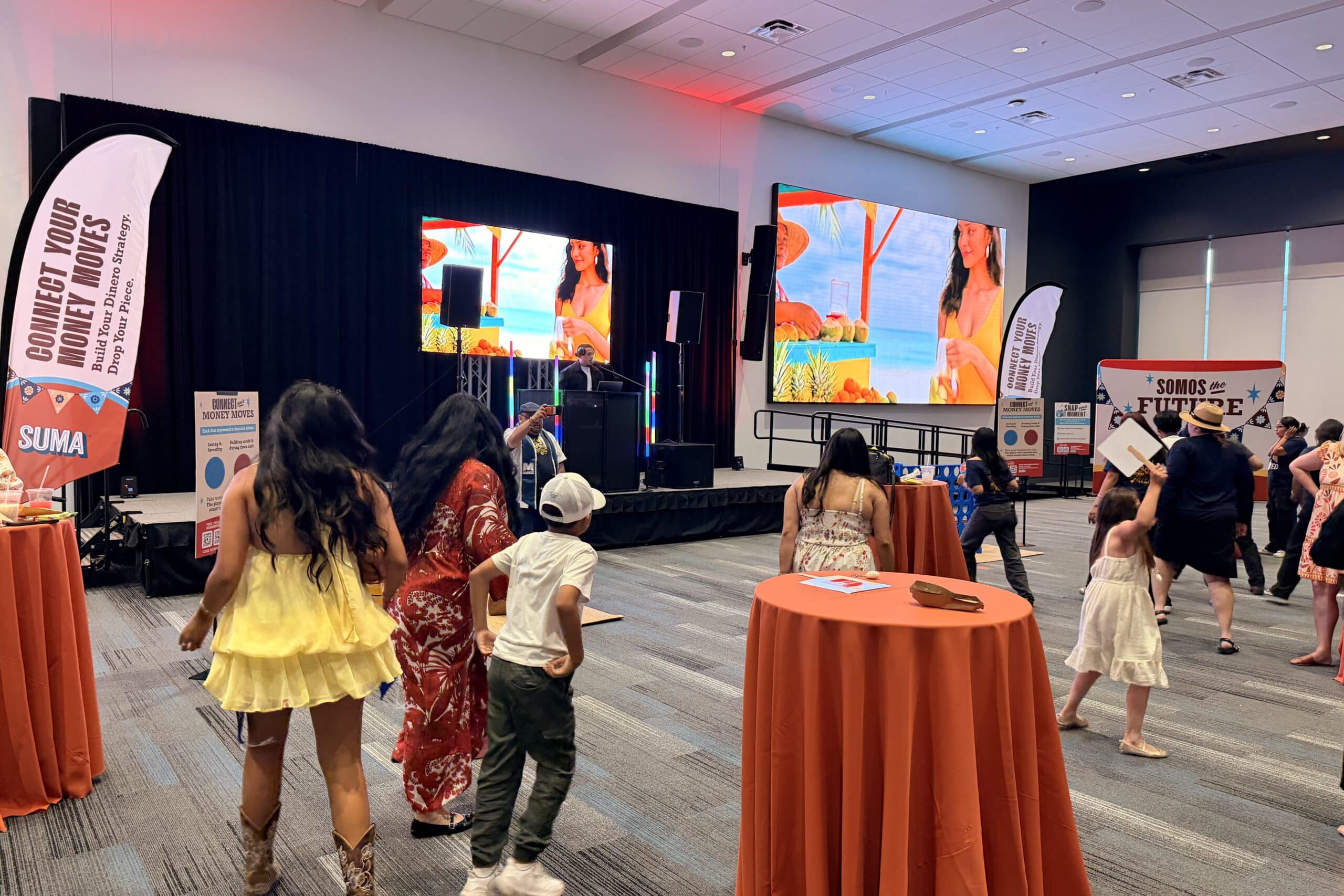
Dwell time is the amount of time an attendee spends at your booth. You want enough time for genuine engagement, but a longer visit isn’t automatically better if visitors are waiting for an activity or struggling to understand what to do.
Keep the main interaction short and make the next step optional. A 60-second challenge, a quick photo, or a brief product test can create an opening for conversation without demanding a large time commitment.
If your activation includes a queue, give waiting attendees something useful to do, such as reviewing product comparisons or scanning a QR code for additional information. For higher-volume events, consider whether you need a second station, another staff member, or a simpler activity.
How Do You Turn Booth Traffic Into Qualified Leads?
A successful activation makes lead capture feel like a natural part of the experience rather than an obstacle to participation. Offer something useful in exchange for contact details, then ask one relevant question to identify potential customers.
For instance, a headshot station could deliver the finished image by email after collecting an attendee’s email address. A software exhibitor could offer a tailored recommendation after asking about the visitor’s current process. In both cases, the information requested has a clear purpose.
Before the event, define what makes a lead worth pursuing. Depending on your business, that could mean a specific industry, purchasing role, project timeline, budget, or need for a demonstration.
Train your team to move through three stages:
- Invite: Explain the activation in one sentence and make participation easy
- Qualify: Ask one useful question about the attendee’s role, needs, or current challenges
- Convert: Offer an appropriate next step, such as a consultation, product demo, or follow-up call
Capture brief notes alongside each lead so your sales team can personalize follow-up. A list of email addresses has limited value if nobody remembers what each person wanted to discuss.
Make Consent Clear
If you collect photos, videos, email addresses, or phone numbers, explain how that information will be used. Receiving a photo should be separate from agreeing to promotional emails or allowing an image to appear in public marketing.
Keep forms short, make optional marketing consent clear, and provide a straightforward way for people to ask about their information. Avoid photographing nearby attendees, name badges, or confidential screens without permission. These precautions protect attendee trust while keeping the activation professional.
What Affects The Cost Of A Trade Show Activation?
The cost of a trade show activation depends on the experience you build, the equipment involved, the event schedule, and the staffing required. A simple interactive station generally involves fewer production elements than a custom-built environment with multiple activities and integrated technology.
There is no single reliable price for every Central Valley activation. A photo booth, for example, can have different requirements depending on whether you need digital delivery, printed photos, custom branding, an attendant, or additional hours. A product demonstration may require specialist equipment, transport, installation, or technical support.
When comparing quotes, ask whether the price includes:
- Equipment, booth graphics, backdrops, and branded materials
- Delivery, setup, breakdown, and any required installation labor
- Staffing, event hours, and overtime
- Power, internet, venue services, and equipment requirements
- Lead capture, digital delivery, custom software, or post-event reporting
Your venue and floor plan can also affect the budget. Confirm access times, loading arrangements, booth dimensions, electrical access, internet availability, and any restrictions on equipment or signage before finalizing your design.
A lower-cost activation may be the better choice if your primary goal is to start conversations with a small number of well-qualified prospects. If your objective involves a product launch, multiple audience touchpoints, or a high-visibility brand experience, a more involved production may justify the additional investment.
How Do Local Venues Affect Your Activation Plan?
Your activation should be designed around the venue’s actual floor plan, access arrangements, and audience movement. Adventist Health Arena in Stockton, the Modesto Centre Plaza, and the Stanislaus County Fairgrounds in Turlock all host regional events, but you should confirm the specific event configuration and exhibitor requirements before selecting equipment.
For trade show engagement in Stockton, consider how attendees move between exhibition areas, registration, and scheduled sessions. An activity near a natural traffic route may attract more attention, but you still need enough space for visitors to participate without blocking neighboring booths.
For a Modesto conference interactive booth, prioritize a layout that accommodates both the activation and a focused business discussion. Check the available footprint, power access, and any restrictions on displays before arranging equipment or ordering custom graphics.
When planning expo booth traffic builders in Central California, think about the audience as well as the venue. A regional business expo may bring together local service providers, manufacturers, agricultural businesses, and professional organizations. An activation tied to a shared business need can create more relevant conversations than a generic giveaway.
A B2B event activation in Turlock may benefit from a practical demonstration, consultation station, or branded headshot experience, depending on the exhibitors and attendees. Confirm the event schedule, expected audience, and venue logistics before committing to a concept.
Common Mistakes To Avoid
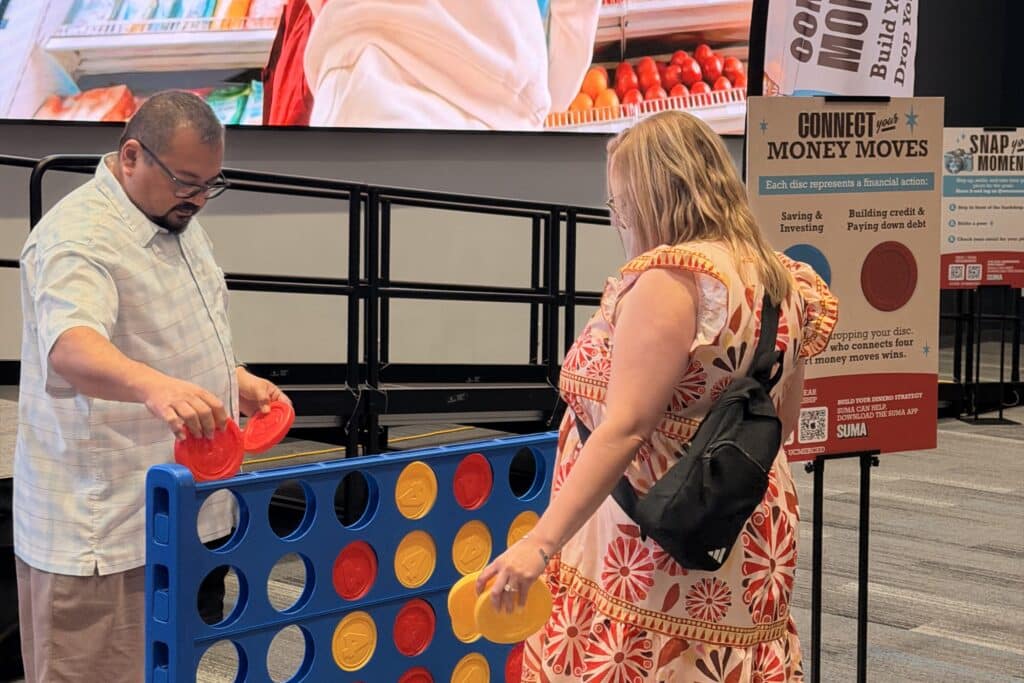
Even an attractive activation can underperform if the experience is difficult to access or disconnected from your sales goals. Avoid these common planning errors to make your investment more useful.
- Making The Activity Too Complicated: Long instructions discourage participation, so keep the experience intuitive and explain it in one sentence
- Blocking The Booth Entrance: Oversized displays or a front-facing table can discourage visitors, so keep the entry open and the activity visible
- Collecting Too Much Information: Lengthy forms create friction, so request only the details needed to deliver the experience and qualify potential leads
- Ignoring Staff Roles: Unclear responsibilities leave visitors unattended, so assign someone to welcome attendees, run the activity, and handle sales conversations
- Choosing An Activation Without A Business Goal: Entertainment alone may generate attention without useful prospects, so connect the experience to a defined outcome
- Forgetting The Follow-Up: Delayed responses weaken the connection made at the event, so deliver promised materials promptly and contact qualified leads within 24 to 48 hours
Frequently Asked Questions
How Do You Attract More Visitors To A Conference Booth?
Use one clear message, a visible activity, and an easy invitation to participate. Promote the activation before the event through email and LinkedIn, and tell prospects exactly what they can experience at your booth. During the show, keep entrances open and have staff welcome visitors rather than waiting behind a table.
How Do You Measure Trade Show Booth Engagement?
Track booth visitors, completed activities, captured leads, qualified prospects, meetings booked, and resulting sales opportunities. Social shares and photo downloads can indicate engagement, but they should not replace commercial measures. Set targets before the event and compare the results with your total activation investment to assess performance.
Should You Use The Same Activation At Every Trade Show?
Not always. A format that works at a large regional expo may feel out of place at a small professional conference. Reuse what performed well, such as your branding, lead questions, and follow-up process, but adjust the activity to each audience, booth size, and show schedule. Review past results before deciding what to repeat.
What Should You Do With Booth Photos And Videos After The Event?
Send each participant their content promptly, then review which images you have permission to use in marketing. Approved photos can support social posts, event recaps, and sales follow-up emails. Store the files securely, keep a record of who agreed to what, and honor any request to remove an image.
Can A Booth Activation Work Without Reliable Internet?
Yes, with planning. Exhibition halls can have weak Wi-Fi, so ask the venue about a wired connection or dedicated hotspot. Many photo and lead capture setups can store entries offline and send them once a connection returns. Printed takeaways or a QR code linking to a later gallery also keep the experience running smoothly.
How Early Should You Plan A Conference Booth Activation?
Plan your conference booth activation at least 6 to 8 weeks ahead for branded graphics, equipment, and staffing. Custom-built structures or specialist technology may require several months of lead time. Once plans are underway, confirm your booth location, access hours, power, internet, and delivery arrangements to avoid last-minute setup issues.
Turn Your Next Conference Into A Business Opportunity
Effective conference booth activations in Central Valley give attendees a reason to stop, participate, and remember your brand while creating opportunities for meaningful sales conversations.
At Luna Events, we develop customized brand activation experiences around your audience, event goals, space, and production requirements. Our branded booth adds custom backdrops and overlays to every photo, and our AI photo booth can work your logo or products into each design, with instant digital delivery to phones and optional data capture.
The best conference booth activations Central Valley exhibitors plan start with a clear goal, an easy invitation, and a team ready to follow up.
Attracting attention on the trade show floor requires more than a table runner. Partner with Luna Events to build a custom conference activation that drives foot traffic.