
How Brands Design Brand Activation Marketing Campaigns That Drive Engagement and Measurable Outcomes
Most brands are struggling to capture attention, but the ones they do often struggle with using that attention in useful ways.
Whether it’s a conference at a major San Francisco convention centre where competitors are fighting for attention, or a Silicon Valley corporate campus where audiences are constantly bombarded with product messaging, the same problem appears.
How do you turn physical presence into structured interaction that gives you usable data, while still creating a meaningful and memorable brand experience for the audience?
Brands have found that brand activation marketing addresses these challenges by directing focus from passive absorbing to active participation.
This guide breaks down how high-impact activations are designed for real-life scenarios, how leading brands structure engagement across the Central Valley and Bay Area and what separates memorable experiences from forgettable events.
Most Popular Brand Activation Marketing Tactics
Brands use structured brand activation marketing tactics that are designed to control attention, guide behaviour and capture measurable data that can be used to measure success and generate leads.
The most effective tactics are those who perform consistently well despite the type of event.
Common high-performance activations include:
- Interactive product demos that simulate real use cases
- Personalised content generation based on user input
- Gamified engagement loops with clear entry and exit points
- QR or NFC-based identity capture at first interaction
- Live data dashboards feeding marketing teams in real time
- Social sharing stations designed around self-generated content
- Guided storytelling zones instead of static booths
All these tactics manage to turn passive foot traffic into active participation that creates a memorable brand experience for the audience.
Brand Activation Ideas for Central Valley Events
In the Central Valley, brand activations perform best when they prioritize accessibility and guided interaction over speed. Stockton regional business expos and public-sector events or agricultural and industrial fairs at Modesto attract mixed audiences who prefer less exposure to high-frequency tech activations.
What works:
- Step-by-step product education zones instead of rapid demos
- Staff-guided walkthroughs for higher engagement depth
- Hands-on physical interaction points (touch, test, compare)
- Simple QR-based entry tied to follow-up communication
- Experience zones that prioritise explanation over speed
At a Fresno-based industry expo, a manufacturing or infrastructure brand may use a guided walkthrough station where visitors physically interact with components while staff explain outcomes in real time.
Central Valley events demand a more educational approach than pure entertainment without practical value guests can take home.
Brand Activation Ideas for Bay Area Events
Events in the Bay Area struggle most with capturing attention because the competition is intense. The audiences are both tired of promotional messages but always seeking novelty.
A TechCrunch Disrupt-style product launch today, a conference in Moscone Center tomorrow and a conference at Googleplex or Meta campuses next week has made the audiences’ expectations high.
What works:
- Fast qualification gives people instant value and sorts intent quickly.
- Simple product demos show real use without needing long explanations.
- Data capture happens at the first interaction.
- High-traffic demo stations are easy to use without staff guidance.
- Personalized experiences change based on role or company type.
The Bay Area audiences are constantly comparing technologies and evaluating.
That;s why at a San Francisco SaaS conference inside Moscone Center, a B2B software brand might deploy a 2-3 minute interactive workflow simulation where attendees select their role and immediately experience a custom product use case.
At the end, they can book a demo without leaving the flow. This is the seamless and fast interaction Bay Area audiences remember and share.
Brand Activation Marketing Ideas for Different Event Types
The competition is getting smarter by the day, so it’s very important to organize creative and out-of-the box brand activation events. Here are some practical ideas for your next event:
Corporate Events and Conferences
Corporate events are high-pressure situations where everyone is comparing solutions in real time.
- Role-based demo kiosks: visitors choose “founder, marketer, engineer” and see a version of the product built for them in under 90 seconds.
- Live pipeline wall: a screen inside the booth shows anonymised real-time engagement data like demos booked or scans completed.
- Smart lead capture entry point: badge scan or QR instantly builds a profile and triggers a custom follow-up email while they’re still at the booth.
Private Parties
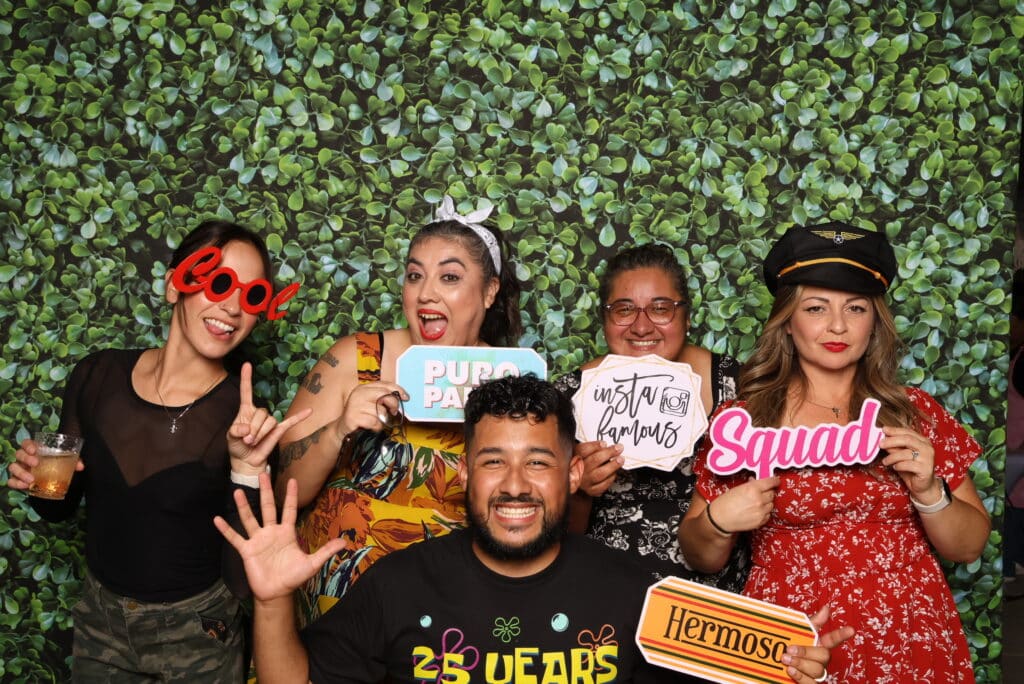
Guests at private events focus on emotion, social energy and capturing memories they get to share online. Think brand-hosted VIP nights in San Francisco rooftops or Central Valley hospitality spaces.
- Instant content booths: guests step in and get branded photos or videos generated with their name or event theme.
- Interactive story walls: guests answer one question and it builds a visual story they can share instantly on social media.
- Memory capture stations: audio or video “message to the brand” that gets turned into a highlight reel after the event.
Product Launches
Product launches in places like Silicon Valley HQs or downtown San Francisco venues need excitement and fast understanding.
- Live product simulation zone: attendees use the product in a guided digital or physical simulation that mirrors how they would actually use it.
- Before vs after experience tunnel: a walkthrough that shows the “problem state” first, then transitions into the product solving it in real time.
- Personalised demo builder: users select their industry or role and get a customized product walkthrough on a screen or device.
How to Design Successful Brand Activations for Bay Area and Central Valley Audiences
High-performing activations start with behaviour mapping based on geography, audience intent and event goals.
Define Behavioral Intent by Region
Different environments mean different audiences with different needs and expectations.
Bay Area Audiences want:
- Fast evaluation cycles
- Product comparison behaviour
- High exposure to tech interfaces
- Limited time per interaction
Central Valley audiences want:
- Longer engagement windows
- Community-driven participation
- Broader demographic mix
- Higher tolerance for guided experiences
The same activation must be tweaked based on where it appears.
Design for the Venue
The physical environment defines performance more than the creative concept.
In Bay Area venues:
- Tight booth spacing
- High noise levels
- Competing digital screens
- Short dwell times
In Central Valley venues:
- Larger open spaces
- Variable lighting conditions
- Flexible booth layouts
- Less competition for attention
Brand activations must account for these differences and limitations set by the venues.
Match the Activation to the Audience’s Attention Span
While it’s true all brands are struggling with the shortage within the attention economy, the situation isn’t the same everywhere.
In the Bay Area:
- Interaction must be immediate
- Value must be visible within seconds
- Depth is optional, not required upfront
In the Central Valley:
- Interaction can unfold in stages
- Storytelling can be slower
- Education can be more structured
Successful brand activation marketing means matching interaction speed with the audiences’ expectations.
Technology in Regional Brand Activations
Technology supports engagement in brand activation, but only when adapted to the audience.
Common systems used across all brand activations include:
- QR codes that let attendees check in or start an experience in seconds
- Interactive screens, games, or kiosks that encourage people to get involved
- Live dashboards that show how the activation is performing throughout the event
- Automated lead capture tools that collect contact information without lengthy forms
- Photo, video, or content creation tools that generate personalised takeaways for attendees
Regional Differences in Technology Use
Bay Area audiences expect:
- Fast, responsive systems that keep the experience moving without delays
- Seamless connections to CRM and marketing platforms for easier follow-up
- A strong focus on identifying and qualifying leads as quickly as possible
Central Valley audiences:
- Easy-to-use experiences that anyone can understand and join quickly
- More staff-guided interactions that help attendees get the most from the experience
- A stronger focus on education and product understanding than automated processes
Technology must adapt to audience comfort, not the other way around.
How Marketing Teams Measure Brand Activation Success
Only once measured, will you know whether your activation was a success or not. But before that, you must identify the proper KPIs
Core KPIs Marketing Teams Set
- Interaction rate per attendee
- Dwell time per engagement
- Data capture conversion rate
- Content generation volume
- Post-event pipeline or follow-up engagement
Regional KPI differences
For Bay Area activations, look for:
- Demo bookings
- Qualified leads per interaction
- Pipeline acceleration
For Central Valley activations, pay attention to:
- Participation depth
- Education completion rate
- Brand recall and sentiment shift
Common Question Marketing Teams Ask about Brand Activations
How do you adapt one activation for both regions?
Keep the main idea the same but adjust the experience to fit the venue and audience.
Which region delivers better ROI between the Bay Area and Central Valley?
The Bay Area is often better for generating sales opportunities, while the Central Valley is better for building awareness and stronger connections.
Can one activation concept work in both regions?
Yes, if it is flexible enough to match how people interact in different locations.
What is the biggest mistake brands make?
Many brands assume people in every location will respond to the same experience in the same way.
Design a High-Impact Brand Activation with Luna Events
Brand activation marketing is most effective when it goes beyond attracting attention and creates full on experiences for guests that they’ll remember long after the event ends.
At Luna Events, we help brands turn conferences, corporate events, product launches and experiential campaigns into engaging experiences that combine creativity, technology and data-driven insights.
Our team works with marketing professionals, agencies and event planners across the Central Valley and Bay Area to deliver experiences that give you results.
Get in touch with Luna Events today and start creating experiences that people remember, share and talk about far beyond the venue walls.